
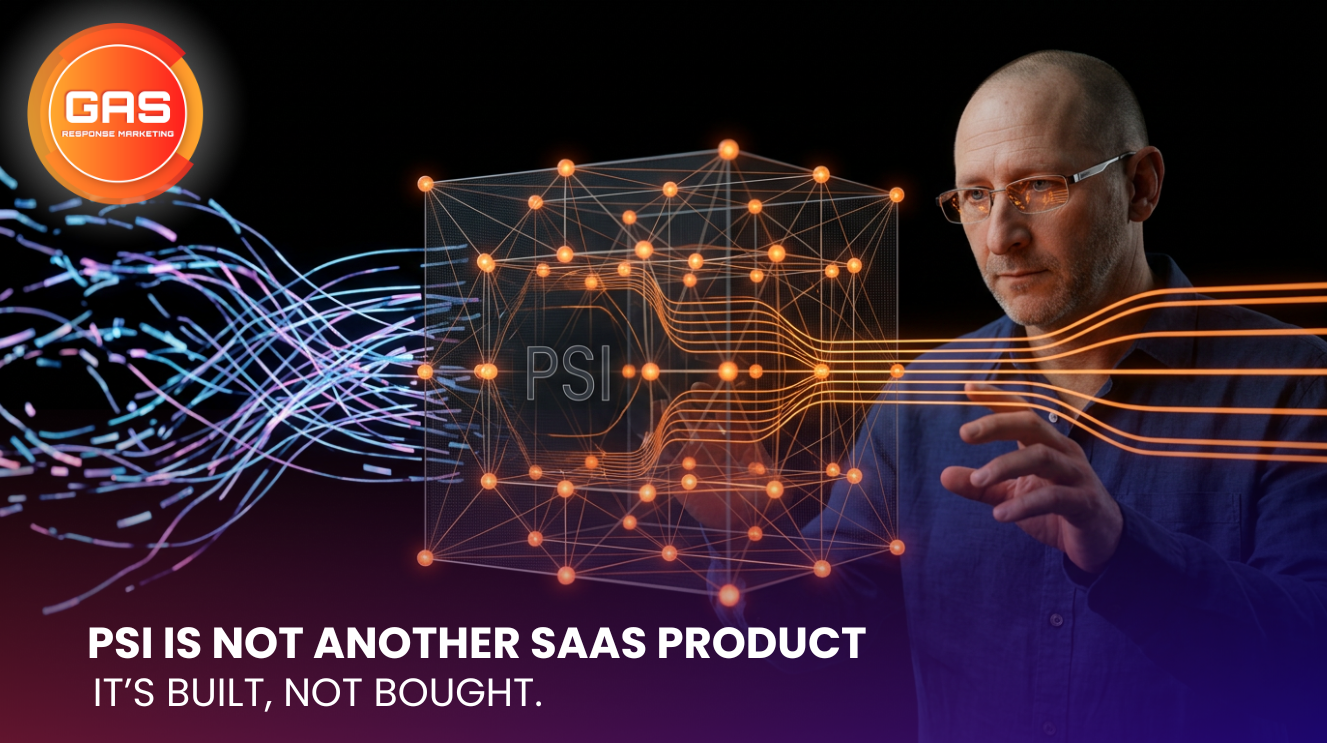
The lead generation market in South Africa is full of software. Dashboards. Automation layers. AI wrappers. Scoring products. CRM integrations. Chat tools. Lead databases. Nurture platforms.
I am not dismissing any of those things. Some are genuinely useful. But useful technology is not the same as a working system. And that is a distinction most of the market obscures.
A software product can be deployed in an afternoon. It comes with generic settings, default configurations, and a onboarding sequence designed to get you to a point of basic functionality as quickly as possible. Then it is yours to operate. Your team configures it. Your team monitors it. Your team figures out why the results are not what the sales deck suggested.

That model has a fundamental problem. It treats lead generation as a technology problem when it is actually a strategic one.
Lead generation fails or succeeds based on the intelligence built into it. The qualification logic. The understanding of what a genuine buyer looks like in a specific market. The knowing of which signals reveal readiness and which ones create false confidence. The design of the conversation flow. The routing model. The nurture strategy. The post-lead communication.
None of that exists in software by default. It has to be built. Specifically. Around the commercial reality of each client.
That is what makes PSI a strategic service rather than a product.
We do not sell a platform and let clients work out how to configure it. We work with each client to understand their market, their buyers, their sales process, and their commercial definition of a qualified lead. From that understanding, we build a PSI model that is specific to them. The qualification logic reflects their ideal customer profile. The intent tiers are calibrated to their sales cycle. The follow-up sequences are informed by their real buyer objections.
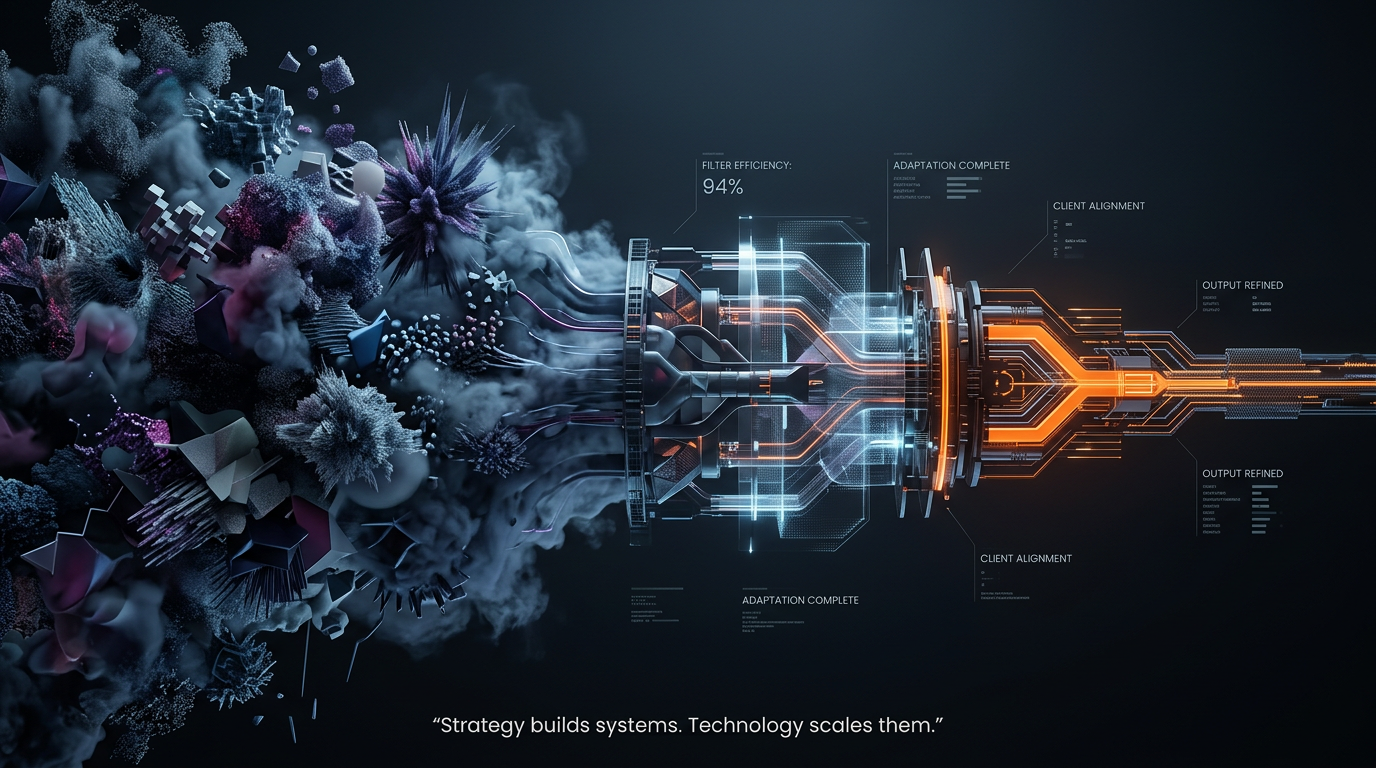
That work requires expertise. It draws on twenty years of lead generation experience across different industries, different client types, and different market conditions. It is informed by what worked and, just as importantly, by what did not.
The technology then enables that strategy at scale. Consistently. Without fatigue. Without bias. At a speed no manual process could match.
But the technology is the second half of the equation. The strategy is the first. And the strategy cannot be packaged and sold off a shelf. It has to be built for each client, with each client.
That is the difference between owning a tool and having a system that works.


