

There is a version of a sales pipeline that most businesses know very well. A CRM full of names and statuses. A list of leads in various stages that nobody is entirely sure about. A dashboard showing activity that does not clearly connect to commercial outcomes.
That version of a pipeline is not useful. It is a record of events rather than an intelligence tool.
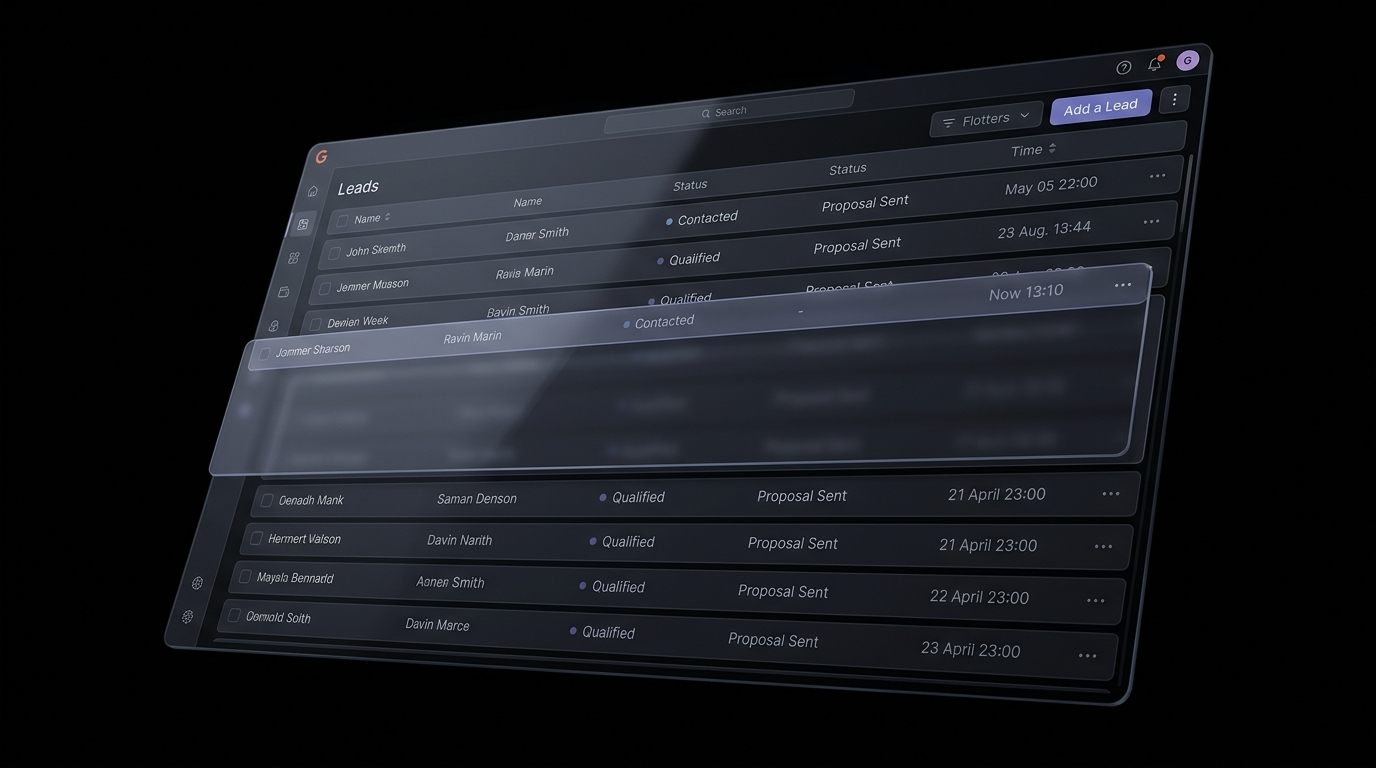
The information that actually matters to sales is not whether a lead exists. It is what that lead said, what signals they showed, why they were qualified to this stage, where they sit in the intent spectrum, and what context a sales rep needs before they make the first call.
Without that context, sales are starting from zero on every interaction. The first part of every call becomes a qualification that should have already happened. Time is spent confirming basic fit that should have been confirmed upstream. And the quality of the conversation suffers because the rep is trying to simultaneously build rapport and gather information they should have had before they picked up the phone.
The PSI dashboard exists specifically to solve this problem.
.jpg)
It is not simply a reporting layer. It is an operational intelligence tool that makes lead quality visible at the level of detail that sales actually needs. Rather than showing that a lead came in, it shows how the lead was qualified, what they said during the PSI assessment, how they were scored, why they were classified as high or medium intent, and what the sales rep needs to know before the conversation begins.
That changes the quality of the first call entirely. The rep enters knowing the prospect's specific situation, their urgency, the friction points they revealed, the budget signals that emerged, and the use case that matters to them. They are not starting a discovery process. They are continuing a commercial conversation that has already been intelligently started on their behalf.
For management and leadership, the dashboard provides a different kind of value. It makes lead distribution visible across intent tiers, shows how intent is trending over time, highlights where disqualifications are clustering, and connects marketing activity to pipeline quality in a way that most standard reporting does not.
That visibility creates accountability at every level of the commercial function. Marketing can see the quality of what their campaigns are producing. Sales can see the context behind every lead they receive. Leadership can see whether the pipeline is genuinely healthy or just appearing to be.
A lead without context is incomplete. A pipeline without visibility is unreliable. The dashboard is what makes both useful.


