

Most businesses spend the majority of their analytical energy studying what works. What converted, what closed, what produced revenue. That is a reasonable starting point. Understanding your wins is important.
But in our experience, some of the most commercially important qualification intelligence comes from the opposite direction. From studying what looked like a strong lead and never converted. From the prospects that engaged heavily, made it deep into the sales process, and then went quiet. From the campaigns that produced volume and delivered disappointing revenue.
Those patterns tend to reveal things that success patterns cannot.
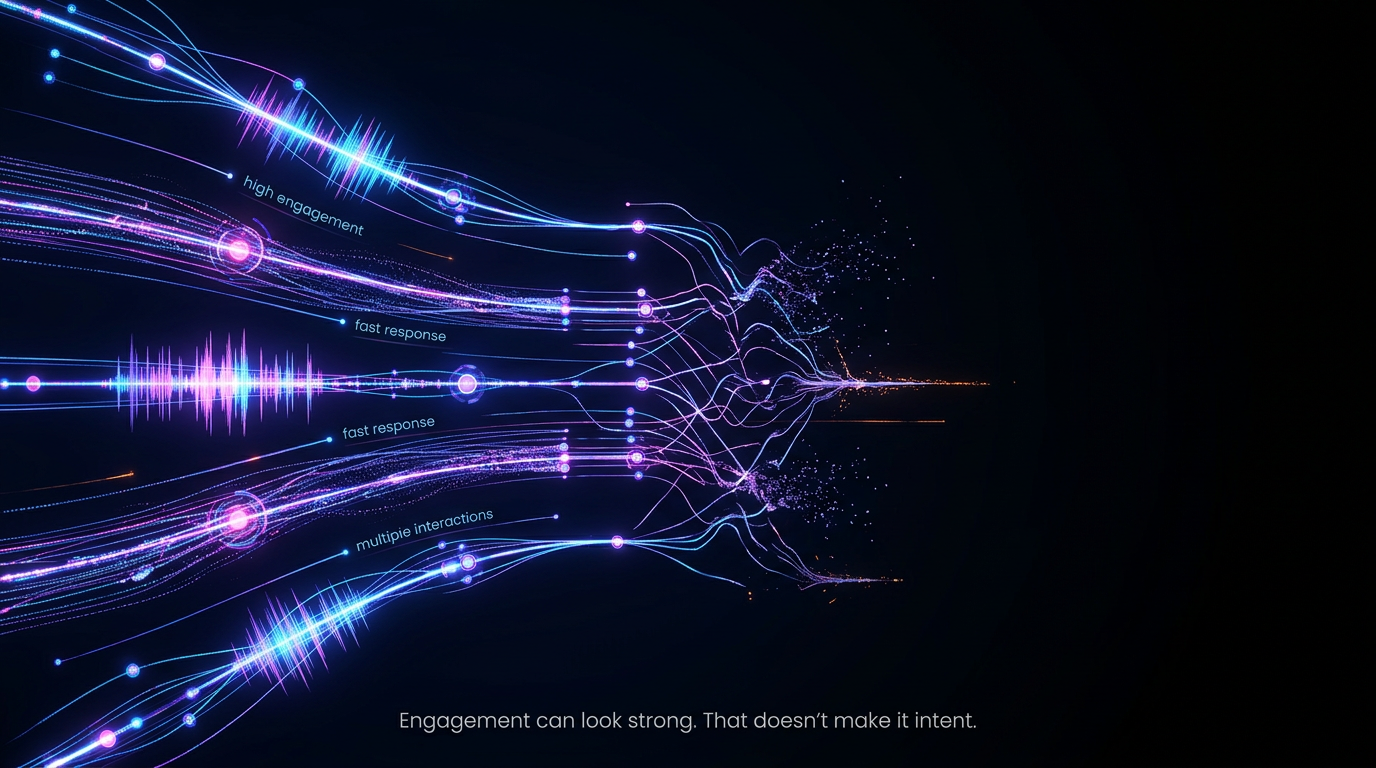
When you study a lead that converted, you learn what your best customers look like. That is valuable. But it tends to confirm what you already suspected. The learning is incremental.
When you study a lead that looked strong and failed, you learn where your qualification system is creating false confidence. You learn which signals are being over-weighted. Which questions are producing misleading answers. Which prospect profiles tend to engage enthusiastically and then disengage commercially. Where in the journey the gap between interest and intent is being missed.
That learning is deeper. And it is the learning that actually sharpens the qualification model over time.
We have seen specific patterns emerge from this kind of analysis. Prospects who ask very detailed questions early tend to be better fits for evaluation but poorer fits for quick conversion. Prospects who mention competitive alternatives in a specific way tend to be further from a decision than their engagement level suggests. Prospects who are highly responsive on certain channels can be poorly aligned on key commercial criteria that only surface later.
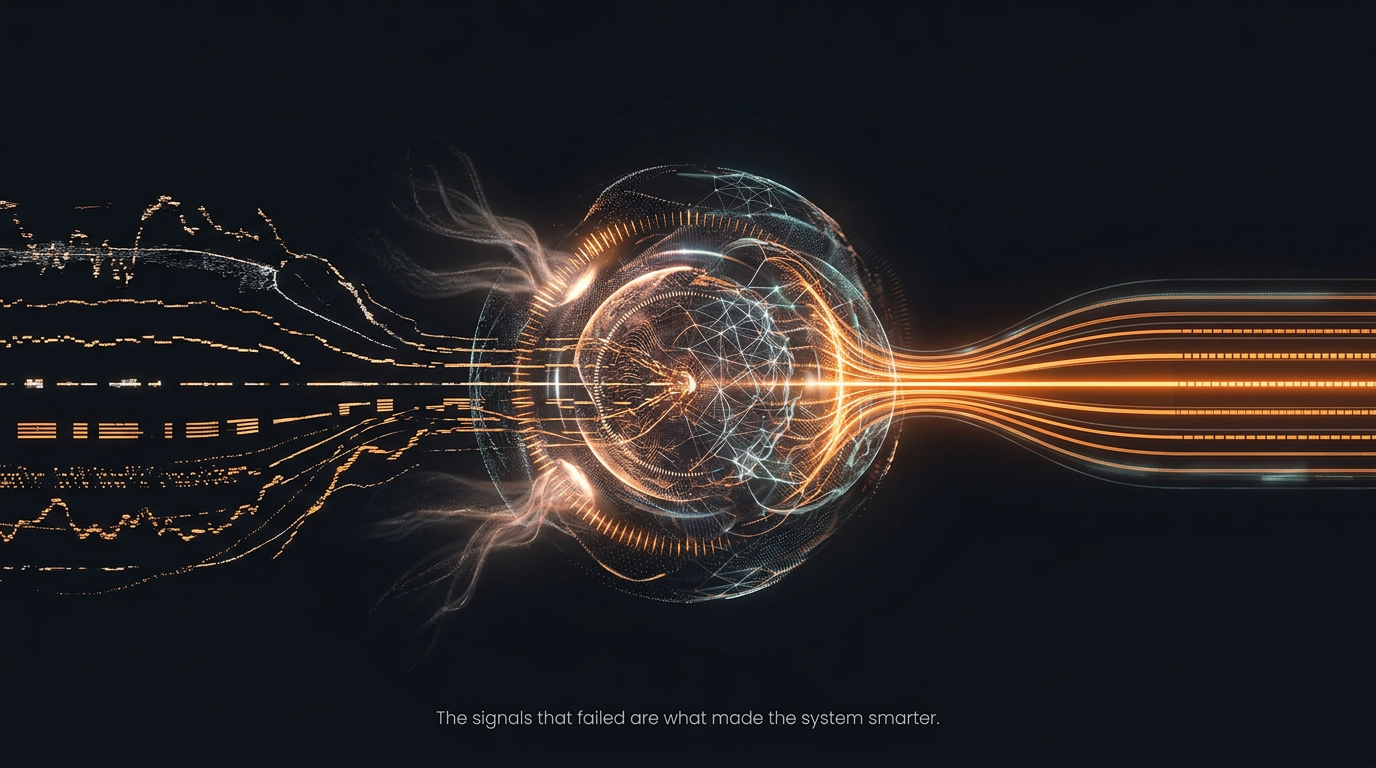
None of those patterns would have been visible from studying wins alone. They emerged from studying the gap between what the qualification system said and what the sales outcome proved.
This is one of the reasons we build PSI as a living system rather than a fixed one. As real data comes through, as outcomes are tracked and patterns emerge, the qualification model is refined. The scoring logic is adjusted. The questions that reveal false positives are replaced with questions that reveal commercial accuracy more reliably.
The system gets sharper over time because it is informed by failure as much as success. That is not a weakness. It is exactly how commercial intelligence develops.


