
Over the past thirty pieces of content, we have covered a lot of ground. The distinction between interest and intent. The structural flaws in traditional lead generation. The role of paid media in South Africa. The way AI should and should not be used. The importance of human strategy. The commercial case for proper qualification before delivery.
This final piece is where those threads come together into something practical.
Building a pre-sales intelligence engine that actually works is not a software purchase. It is a system design exercise. And like any serious system design, it starts with strategy rather than technology.
It starts by understanding what a qualified lead actually looks like in your specific business. Not in general. Not based on what a qualification template tells you. Based on the real commercial patterns in your market. Which prospects convert? Which ones look good and do not? Where does timing tend to create friction? What signals reveal genuine urgency versus surface engagement? What does decision authority look like in your typical sales cycle?
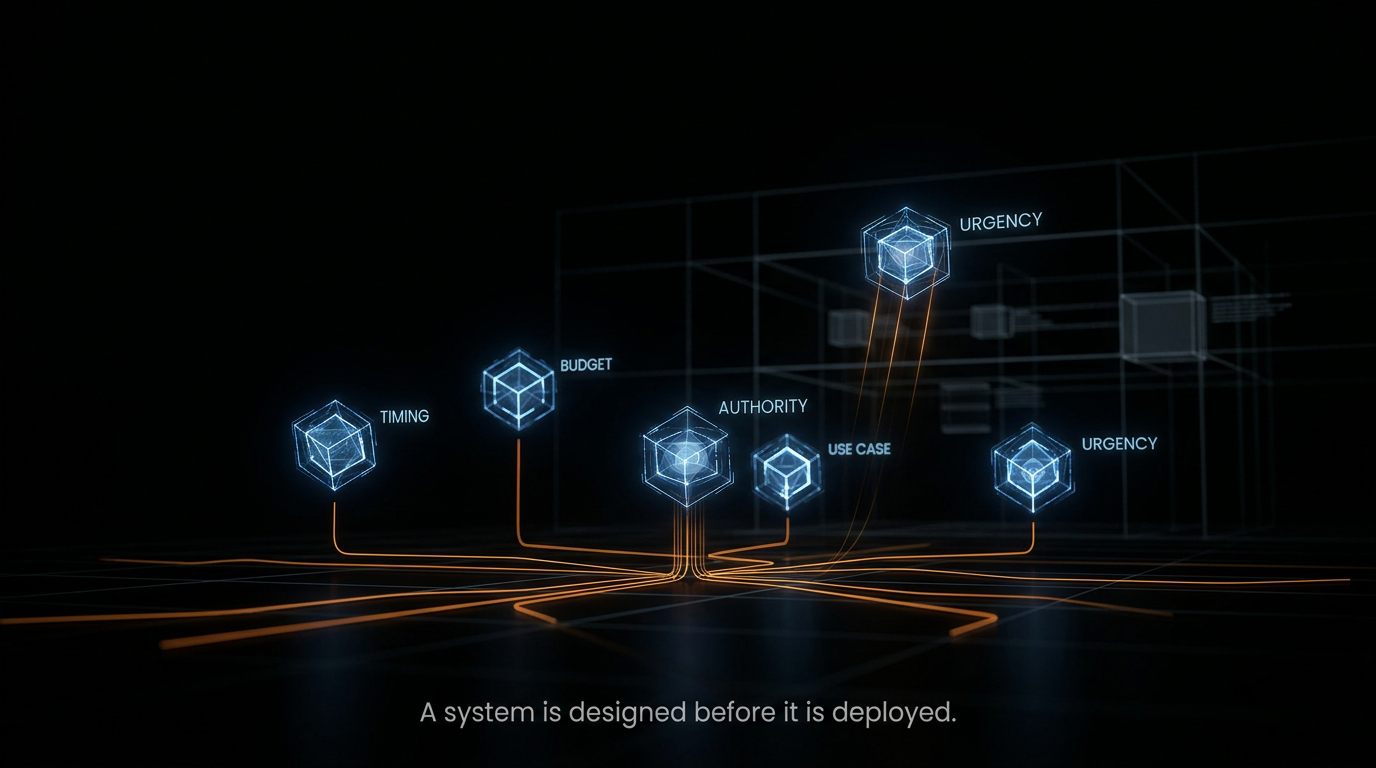
Those questions cannot be answered by an AI. They require human insight, commercial experience, and honest analysis of both the wins and the failures.
Once that foundation is established, the system can be built around it. The qualification flow, whether that is a WhatsApp conversation, a landing page journey, or a combination of both, is designed to surface the specific signals that matter to that business. The intent tiers are calibrated to their sales cycle. The routing logic is built around their commercial criteria. The nurture sequences are informed by the specific friction their medium-intent prospects tend to encounter.
Then the technology is brought in to execute that model at scale. An AI qualification agent trained on the client's criteria. Automated routing and scoring logic. Post-lead email sequences built around conversation context. A PSI dashboard that makes intent visible across the whole system.
And then the system is run, monitored, and refined. Because a qualification model is not static. The market shifts. Patterns change. New friction emerges. The system learns from what works and adjusts based on what does not.
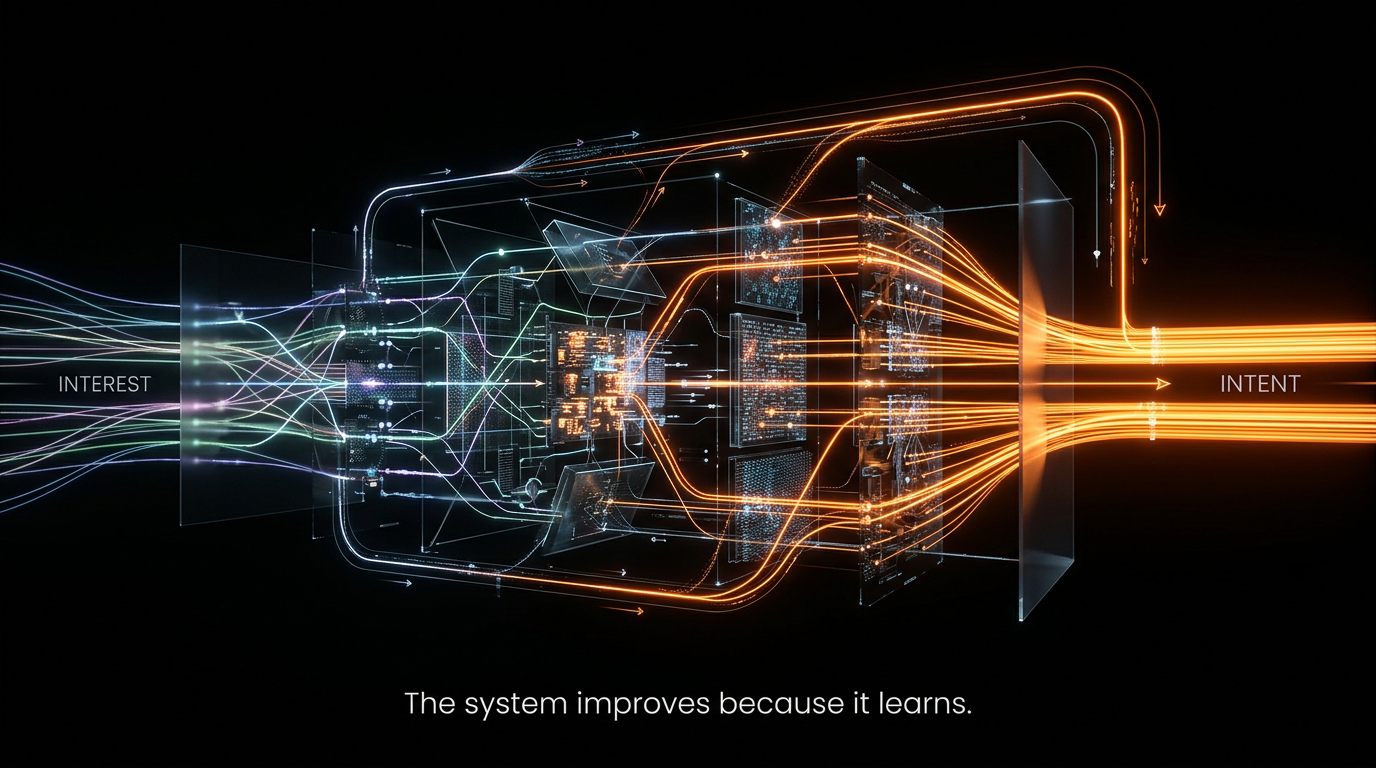
That is what a pre-sales intelligence engine looks like in practice. Not a tool. A system. Built around commercial intelligence, enabled by AI, refined by experience, and managed with the daily attention that any serious operating model deserves.
It is the shift from interest to intent.
And for the South African businesses that build it properly, it is the commercial advantage that defines the next phase of growth.


